Beat Aphids Without Chemicals
Apr 08, 2026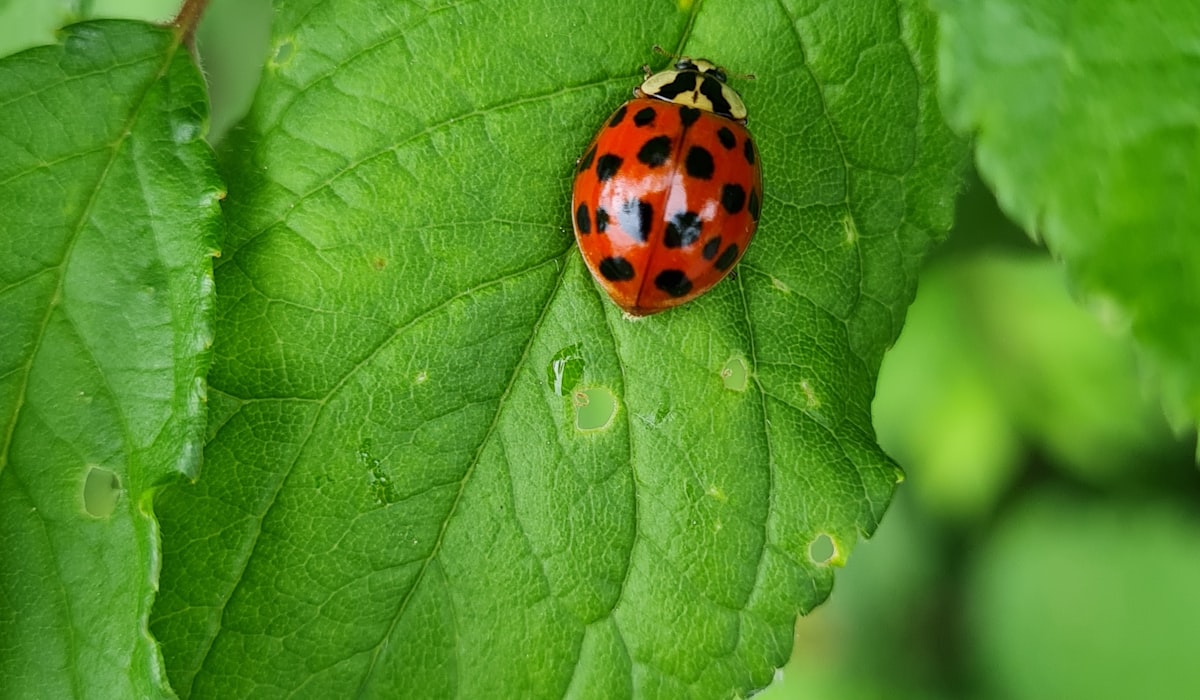
Aphids look alarming — clusters of soft green, black, or grey specks massing on new growth and leaf undersides — but they're genuinely one of the easiest pests to handle without reaching for anything harsh. The trick is to act early and use the cheapest tools first.
Start with water
Your first line of defense is the hose. A firm spray of water knocks most of a colony clean off, and aphids are clumsy — they rarely climb back up. Do this every couple of days when you spot them and you'll break the population before it explodes.
For stubborn clusters, mix a few drops of mild dish soap into a spray bottle of water and coat them directly; the soap breaks down their protective coating. Test one leaf first, spray in the cool of the day, and rinse the plant the next morning so the soap doesn't sit on the foliage in strong sun.
Recruit an army
The durable fix is to let nature do the work. Ladybugs and lacewing larvae each eat hundreds of aphids apiece, and hoverflies are just as hungry. Invite them by planting alyssum, dill, yarrow, and calendula near your vegetables. A garden with a healthy predator population rarely sees an aphid outbreak get out of hand.
Stop feeding them
One quiet mistake makes aphids far worse: over-fertilizing with nitrogen. Too much nitrogen pushes out a flush of soft, sappy new growth — exactly what aphids love most. Feed moderately and you grow tougher tissue that's less of a target.
Finally, scout. Check the undersides of leaves once a week, especially on new growth and on aphid magnets like kale and nasturtiums. Catch them at the first few and a blast of water ends it; ignore them for a fortnight and you're playing catch-up. Early and organic beats late and drastic every time.
Stay connected with news and updates!
Join our mailing list to receive the latest news and updates from our team.
Don't worry, your information will not be shared.
We hate SPAM. We will never sell your information, for any reason.